Purchase the Amarillo, TX-Residential Roofing Contractor ($20,000) Bond

Jason had been in the roofing business in Amarillo, TX, for nearly a decade. His company, “Panhandle Roofing Solutions,” was well-regarded for handling small roofing repairs and installations for residential clients. Recently, his business landed a large contract for a new housing development project, which included full roof replacements for multiple homes. As he prepared for the project, Jason realized that before pulling permits, he needed a $20,000 Residential Roofing Contractor Bond.
Initially, Jason didn’t fully understand why a bond was required, especially since he already had insurance for his business. But after researching, he found that the bond wasn’t just an extra layer of bureaucracy—it provided financial protection for his clients and the city. The bond ensured that if something went wrong during the project, like incomplete work or property damage, it would cover the cost of fixing the issue, ultimately protecting his reputation and business.
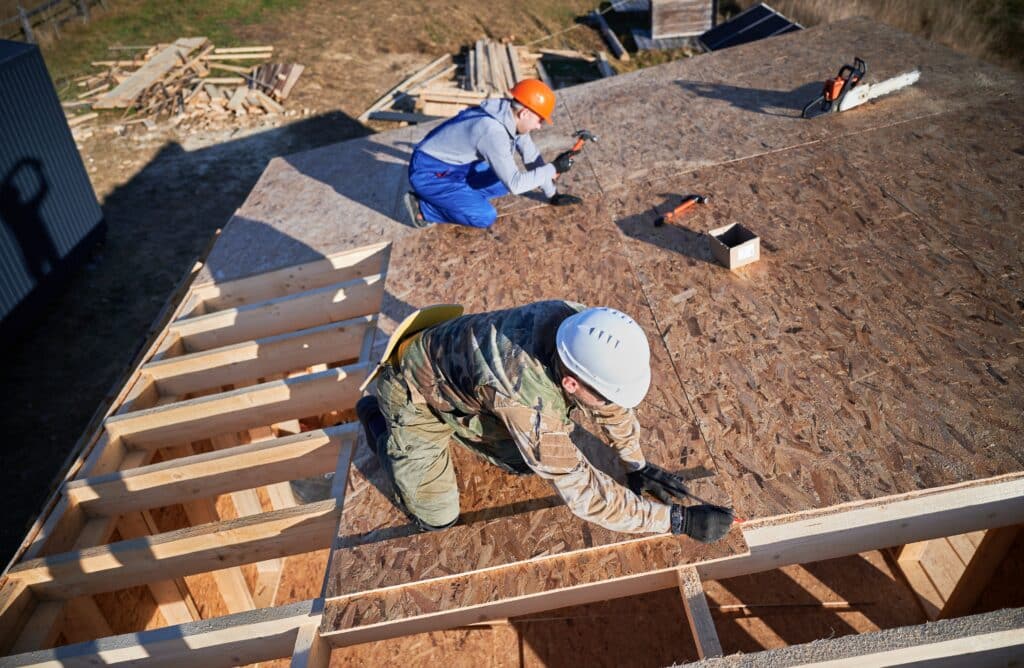
A Residential Roofing Contractor Bond is a type of surety bond required by the City of Amarillo for contractors who work on roofing projects. It guarantees that the contractor will follow all local building codes, complete the job as agreed, and be financially responsible for any damage caused or unfinished work. If the contractor fails to meet these obligations, the bond ensures that the homeowner or city can file a claim to recover losses, up to the bond amount of $20,000.
For example, if Jason is contracted to replace a roof but is unable to finish due to financial difficulties, the homeowner can file a claim against the bond to cover the cost of hiring another contractor to complete the job. Similarly, if Jason’s work doesn’t meet local building standards and causes water damage, the bond can be used to cover the cost of repairs, protecting both the homeowner and the city.
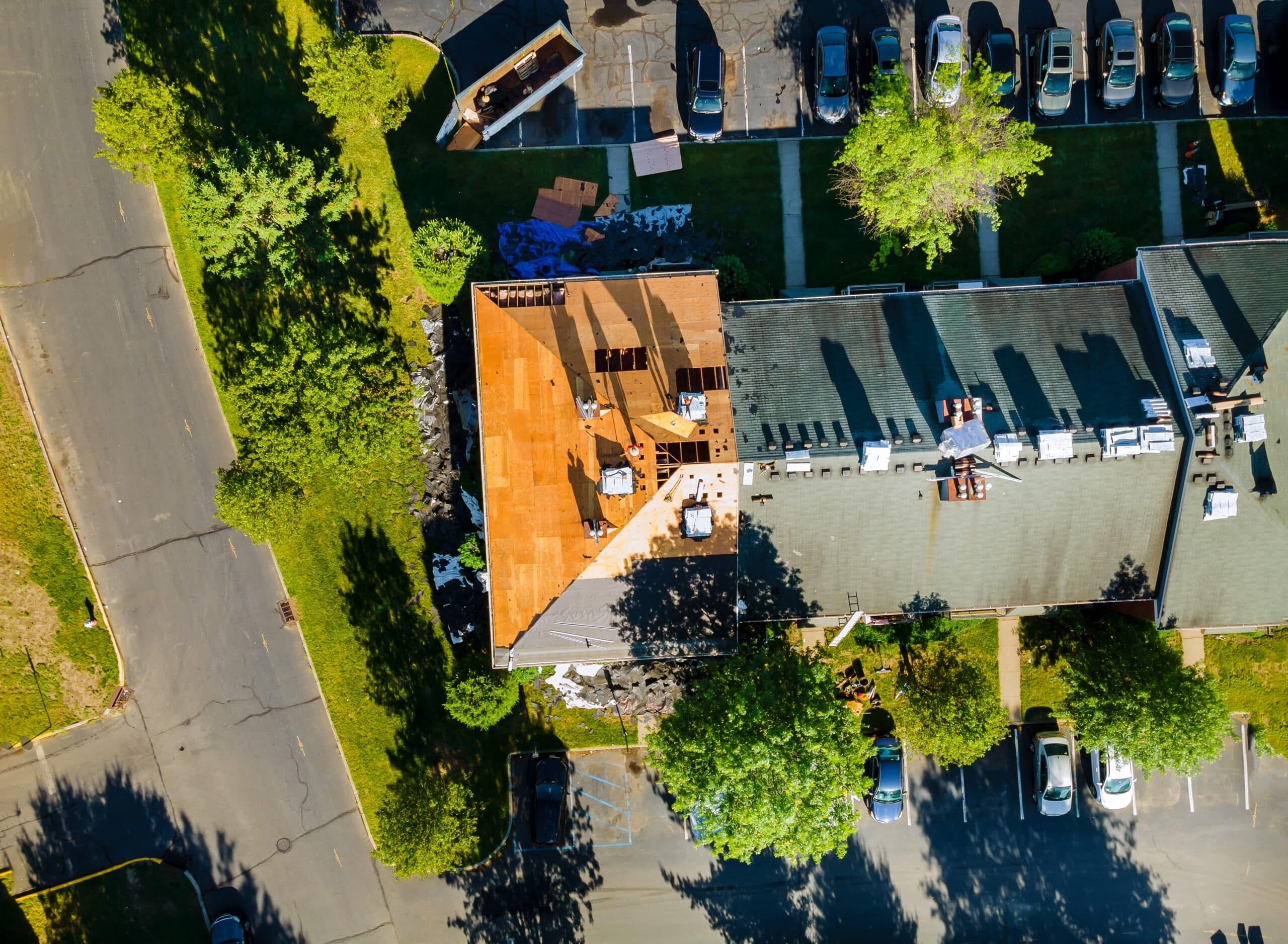
Roofing projects are complex and often involve high-risk factors, such as water damage, structural integrity, and safety concerns. The City of Amarillo requires contractors to have a $20,000 bond to protect property owners and ensure contractors are held accountable for their work. The bond helps ensure that roofing projects meet the city’s safety standards and that any issues are resolved without placing the financial burden on the homeowner.
Imagine a scenario where Jason installs a roof, but improper flashing causes leaks, resulting in significant water damage to the home. Without the bond, the homeowner would be responsible for covering the repair costs. With the bond in place, the homeowner can file a claim, and the bond will cover the cost of repairs, ensuring the project is brought up to code without further financial stress.
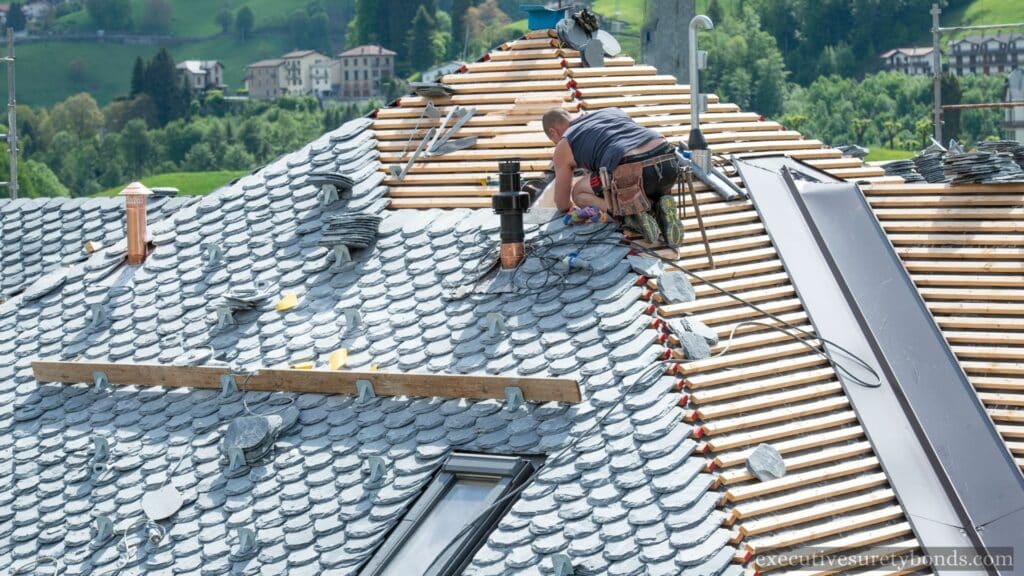
After understanding the necessity of the bond, Jason quickly took the steps to secure it and keep his project on track. Here’s how he did it:
The $20,000 Residential Roofing Contractor Bond offers protection to homeowners, the city, and the contractor. Here’s what it covers:
The cost of a $20,000 Residential Roofing Contractor Bond depends on several factors, including the contractor’s credit history, financial background, and project details. Typically, the premium ranges from 1% to 10% of the bond amount, meaning contractors like Jason pay between $200 and $2,000 per year.
While the bond adds to the overall cost of doing business, it’s a critical investment for contractors. The bond not only ensures legal compliance but also provides peace of mind for both the contractor and the homeowner. For Jason, securing the bond allowed him to expand his business and take on larger projects, knowing he was meeting all legal requirements and protecting his clients.
If a claim is filed against Jason’s bond—whether due to incomplete work or damage to the property—the surety company will investigate the claim to determine its validity. If the claim is found valid, the surety company will pay the claimant up to $20,000 to cover repairs or completion of the project.
Once the surety company pays out on the claim, Jason would be responsible for reimbursing the company for the amount paid. This process ensures that contractors remain financially accountable for their work, while providing a clear and simple way for clients to recover costs without lengthy legal battles.
For roofing contractors like Jason, securing a bond is essential not only for legal compliance but also for business success. Here’s why every contractor should secure a bond:
Any contractor working on residential roofing projects in Amarillo, TX, must secure a $20,000 bond to comply with local regulations and obtain necessary permits. This includes both new roofing installations and repairs.
The bond is typically valid for one year and must be renewed annually. Contractors must ensure their bond remains active throughout the duration of their projects to avoid project delays or penalties.
Yes, contractors with poor credit can still obtain a bond, although they may pay a higher premium. Surety companies offer bonds to contractors with various credit profiles, helping them meet legal requirements and continue working legally.
If the bond expires before the project is completed, the contractor will no longer be in compliance with Amarillo’s regulations, potentially leading to fines or delays. It’s important to renew the bond on time to avoid project interruptions.
For contractors like Jason, securing a $20,000 Residential Roofing Contractor Bond is essential for running a successful and trusted business. The bond provides financial protection for both the contractor and the client, ensuring that any issues that arise can be addressed quickly and fairly.
By working with a reliable surety bond provider, contractors can easily obtain the bond they need to protect their clients, comply with local regulations, and grow their businesses. With the bond in place, contractors can focus on delivering top-notch roofing services, knowing they are protected and their clients are secure.
Amarillo, TX-Non-electrical Sign Contractor ($10,000) Bond
Amarillo, TX-Commercial Roofing Contractor ($20,000) Bond


Axcess Surety is the premier provider of surety bonds nationally. We work individuals and businesses across the country to provide the best surety bond programs at the best price.


