Purchase the Dallas, TX-House-Structure Moving Rehabilitation Bond

James has been in the house-moving business for years, moving everything from small bungalows to historic mansions across Dallas, TX. When he got a new contract to relocate a historic structure downtown, James was excited—it was the biggest project of his career. But before he could start, the city informed him that he needed to secure a House/Structure Moving Rehabilitation Bond. This bond was essential for protecting both the city and his company.
At first, James wasn’t entirely sure why he needed the bond. Wasn’t his insurance enough? However, after some research, he realized that this bond was more than just a formality. It guaranteed that his project would be completed without causing damage to public property like roads, sidewalks, or utility lines. For James, securing the bond was the key to ensuring a smooth, trouble-free move.
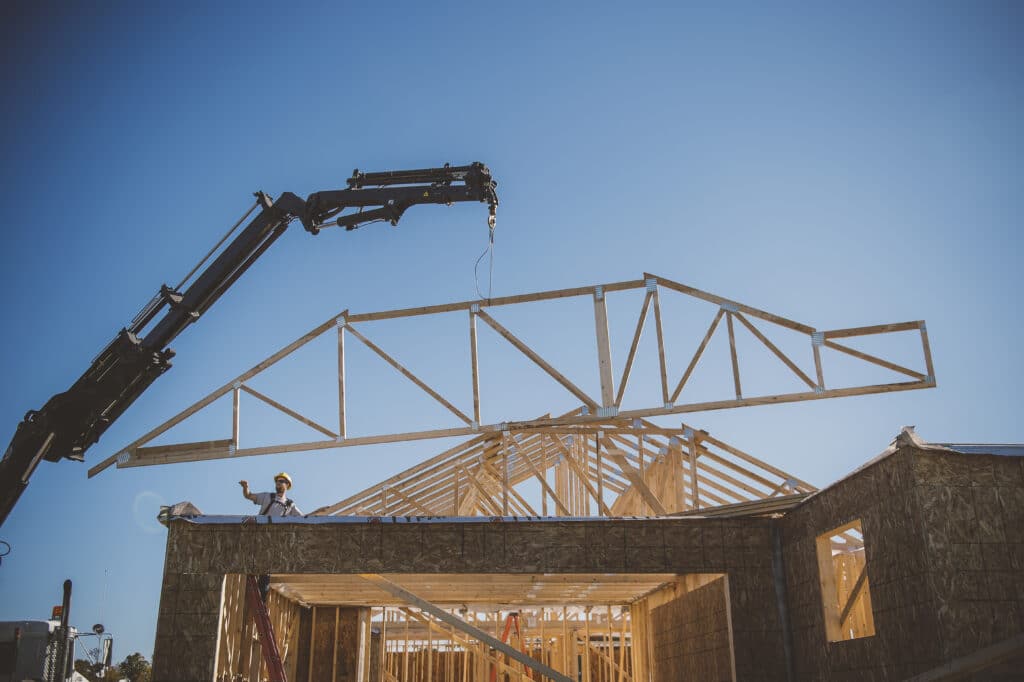
A House/Structure Moving Rehabilitation Bond is a surety bond required by the City of Dallas for contractors like James who move large structures or houses. The bond ensures that the contractor will comply with all local regulations, complete the move without damaging public infrastructure, and fix any damages caused during the process. If a contractor fails to meet these conditions, the bond provides financial protection to the city.
For example, if James’s team damages a sidewalk or utility line during the move, Dallas can file a claim against the bond to cover repair costs. The surety company would pay for the damage, and James would need to reimburse the surety for the payout. This bond is a safeguard for both the city and contractors, ensuring that public infrastructure is protected while allowing contractors to legally operate their businesses.
Moving a structure across Dallas streets is no small feat. It often involves crossing busy roads, navigating narrow streets, and sometimes even shutting down intersections temporarily. The risks are high: a miscalculation could damage a street, sidewalk, or even a power line. Imagine James moving a historic house and accidentally causing damage to a major water line under the street. The cost to repair it could be significant, not to mention the disruption it might cause to local traffic and residents.
The City of Dallas requires the bond to ensure that contractors like James take full responsibility for any damage caused during the move. This means that if something goes wrong, the city won’t have to use taxpayer money for repairs. The bond also ensures that the contractor completes the project according to local building codes and safety regulations. For James, the bond was a necessary step to protect both his business and the community he worked in.
James had never needed a bond like this before, so the process was new to him. However, once he understood its importance, he quickly took the steps to secure it. Here’s how James got his bond:
The cost of a House/Structure Moving Rehabilitation Bond in Dallas varies depending on several factors. These include the size of the project, the total bond amount, and the financial standing of the contractor. Premiums usually range between 1% and 10% of the bond value. For example, if a contractor needs a $50,000 bond, the annual premium will likely fall between $500 and $5,000.
The bond’s premium is a small price to pay considering the protection it offers. For contractors like James, the bond is an investment that ensures his business complies with city regulations and avoids costly fines or project delays. While the bond adds to the overall cost of doing business, it’s essential for any contractor looking to move houses or large structures in Dallas.
In the event that James’s team damages public infrastructure during a move—perhaps a street is cracked, or a utility pole is knocked over—the City of Dallas could file a claim against the bond. The surety company would investigate the claim to determine if it’s valid. If the claim is legitimate, the surety company would compensate the city for repairs, up to the bond’s limit.
Once the surety company pays the claim, James would be responsible for reimbursing the company for the payout. This ensures that contractors are financially accountable for their actions while also providing a streamlined process for the city to recover any damages. For contractors, this system allows them to maintain their reputation and avoid legal battles, as long as they act responsibly and handle the claims as they arise.
For contractors like James, securing a House/Structure Moving Rehabilitation Bond is more than just a legal requirement—it’s a critical step in building trust with clients and city officials. Here’s why getting bonded is essential for anyone in the structure-moving business:
Any contractor or company that plans to move a house or large structure within the Dallas city limits must secure this bond to comply with local regulations and obtain the necessary permits.
The bond typically lasts for the duration of the project and must remain active until the structure move is complete and inspected by city officials. If a project takes longer than expected, the bond may need to be renewed.
Yes, contractors with poor credit can still secure a bond, although they may face higher premiums. Surety companies offer bonds to contractors with various credit profiles, helping them comply with local laws and operate their businesses legally.
If the bond expires before the project is finished, the contractor will no longer be in compliance with city regulations, which could lead to fines, delays, or even suspension of the project. It’s important for contractors to ensure that their bond remains active for the entire project duration.
For contractors like James, securing a House/Structure Moving Rehabilitation Bond is a crucial part of doing business in Dallas. The bond ensures that contractors can legally move homes and structures, protects public infrastructure, and holds contractors accountable for completing their projects safely and on time.
By working with a trusted surety bond provider, contractors can secure the bond they need to meet city requirements and confidently complete their projects. With the bond in place, contractors can focus on delivering high-quality work, knowing they are financially protected and legally compliant.
Fort Bend County, TX-Cable, Conduit and Pole Line Right of Way Performance Bond
Lumberton, TX-Roofing Contractor ($2,000) Bond


Axcess Surety is the premier provider of surety bonds nationally. We work individuals and businesses across the country to provide the best surety bond programs at the best price.


