When a title to property is lost, a state may require a surety bond to issue a replacement title for the property. Normally, bonded titles are associated with vehicles or motor vehicles. This “bonded title” gives the purchasers, lender and other interested parties reassurance about the property by giving financial recourse if the title is not valid or clear.
A bonded title means that a property title has been lost or unlawfully detained, but the replacement title is protected by a surety bond.
The owner of a property must purchase a surety bond for a property title that has been lost or misplaced. The surety bond guarantees that the owner has lawful title to the property and will pay any damages caused by a replacement title being issued by the state. Any party damaged by a faulty title can make a claim against the title surety bond. 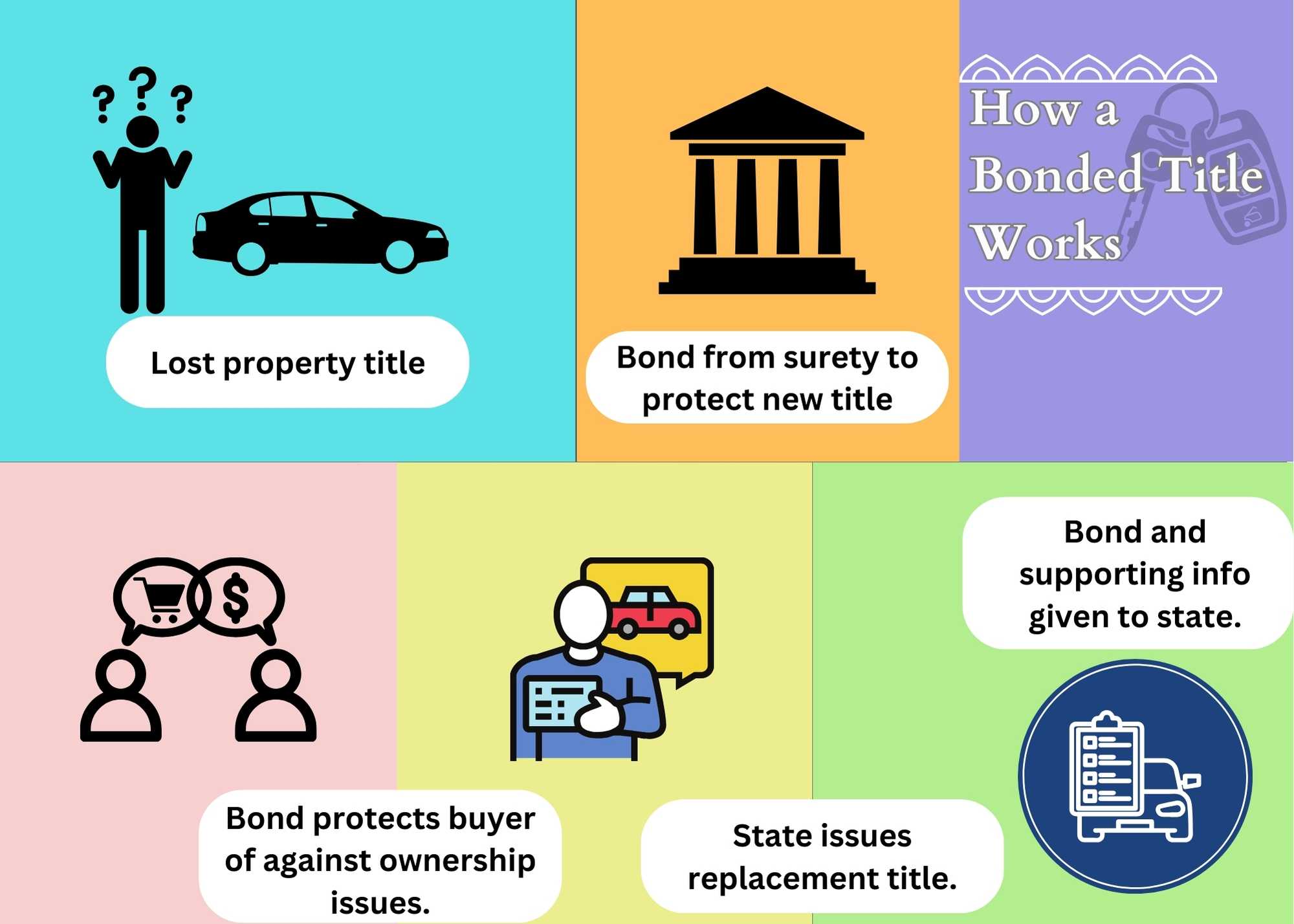
These bonds are a benefit to buyers and other interested parties. Surety Bond companies are regulated to ensure that capital is available to pay claims. Collecting from a surety bond company writing a lost title bond should make it easier for affected parties to collect damages and other financial relief.
If a surety bond company does pay damages against a bonded title, they can then try to get reimbursed from the bond principal under the indemnity agreement. Again, it puts the duty of getting reimbursed back against the surety and not against the party who has been damaged by the replacement title.
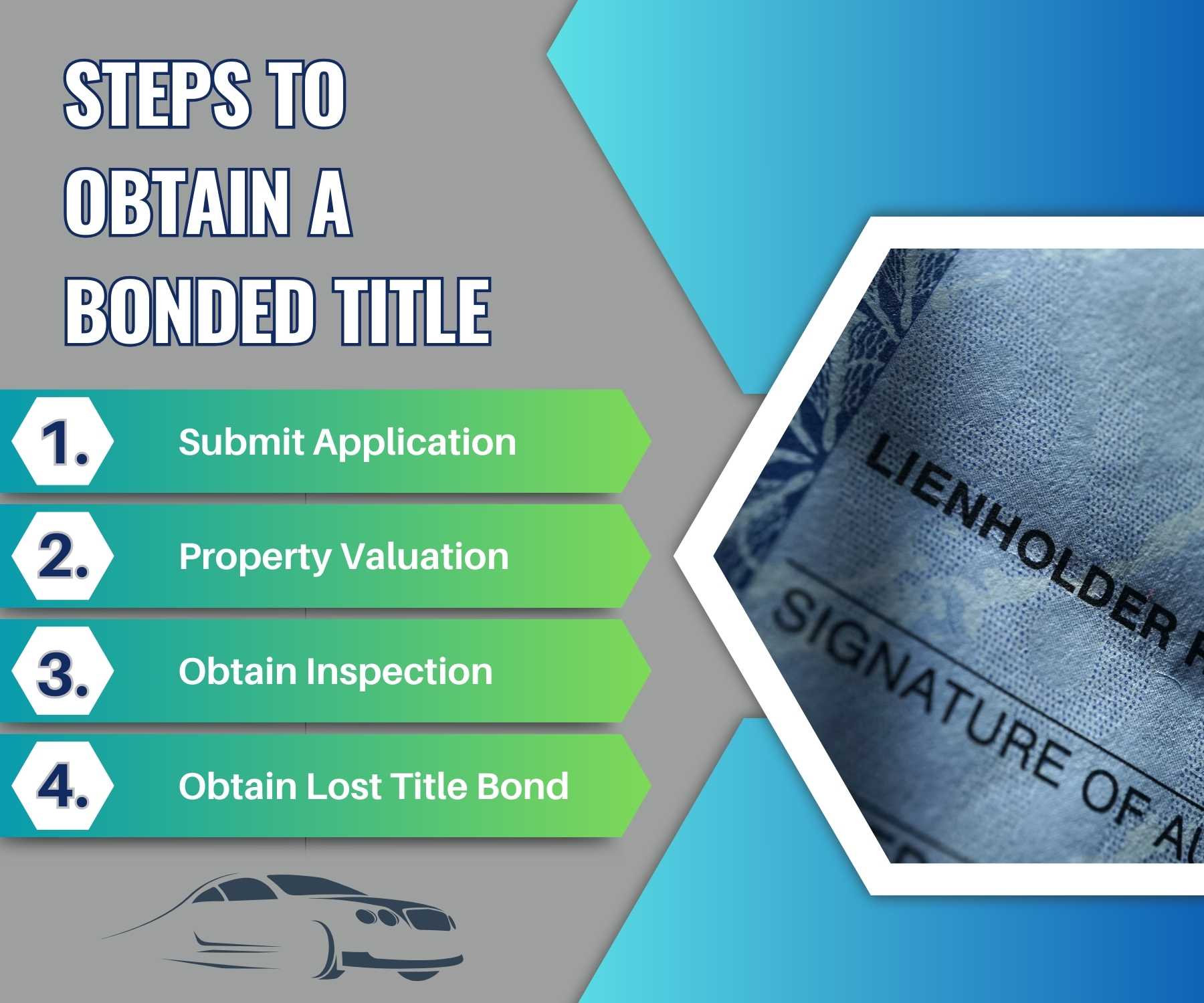
The requirements for obtaining a bonded title vary by state. Usually, the applicant must complete some of the following steps:
Surety Bonds for a Bonded Title can usually be easily obtained. These bonds can be purchased online in minutes. Depending on the required amount of the bond, a credit check may or may not be required. Even those with past credit challenges can usually qualify for these bonds. They are normally considered low risk bonds.
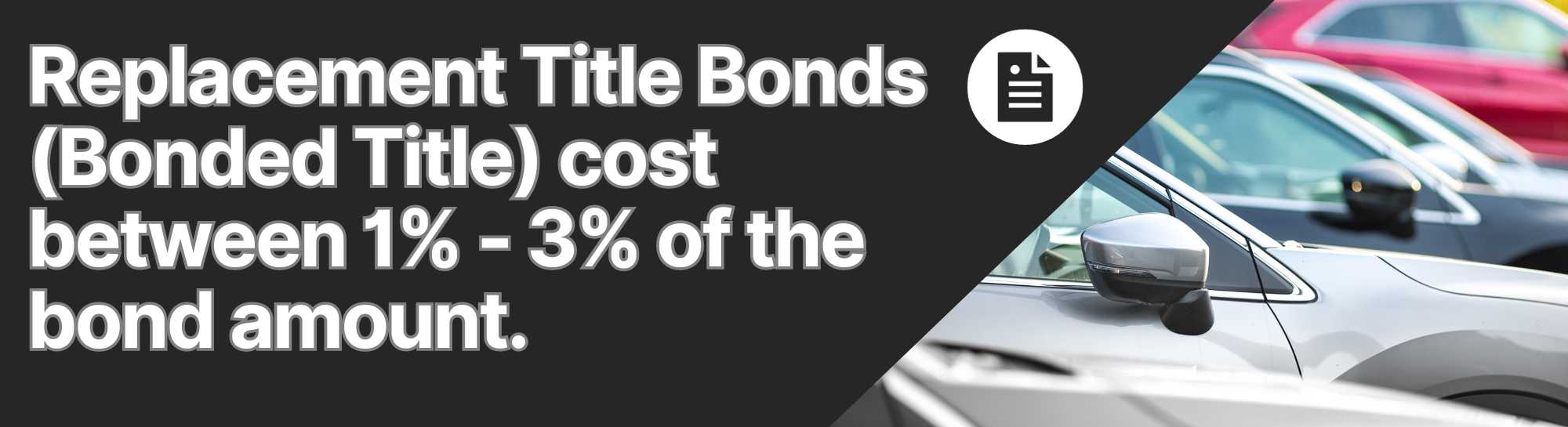
A surety bond for a bonded title cost between 1% – 3%. Most applicants will pay about 1% of the required bond amount for these lost title bonds.
The amount of the bond for a replacement title varies by state. It is common to have a bond amount that is more than the value of the property, such as 1.5 or 2.0 times the property’s value.
The duration of a lost title bond depends on the state requirement. It is common for the bond to be required for more than a year. Some states such as North Carolina require a bond to be in place for three years when a replacement title is issued.
Bonded Titles are not inherently bad. Many people lose or misplace titles all the time. However, there is always some risk with a replacement title. The risk is that the selling party does not have legitimate ownership of the property. A bonded title should give comfort to the buyer by knowing that a strong third-party bond company is in place to compensate the buyer if they are damaged by purchasing the property.
Some states allow those that have been affected by a faulty title to file a claim directly with the state. The state can then make a claim with the bond company on the claimant’s behalf.
In states where the claimant must file directly, you can obtain the name, address and bond number from the state agency. The claimant can then send all supporting information directly to the surety via registered mail. The surety bond company should acknowledge receipt of the claim and start investigating. These claims should typically be settled in 30 – 60 days from the receipt of the claim. If not, contact the state agency.
In most states, the time to obtain a bonded title is the same as getting a normal title. However, it may take more time to collect the information needed to apply for a bonded title. Check each state’s bonded title requirements before heading to your local Department of Motor Vehicles.
Bonded Titles protect the buyers of property when an original title is unavailable. Normally, these bonded titles require a surety bond to protect the buyer against damages caused by issuing a replacement title. Fortunately, these bonds are inexpensive and can be purchased online. Contact the experts at Axcess Surety today to get the bond you need fast. Customers can also learn more about surety bonds by visiting our complete guide.


Axcess Surety is the premier provider of surety bonds nationally. We work individuals and businesses across the country to provide the best surety bond programs at the best price.